
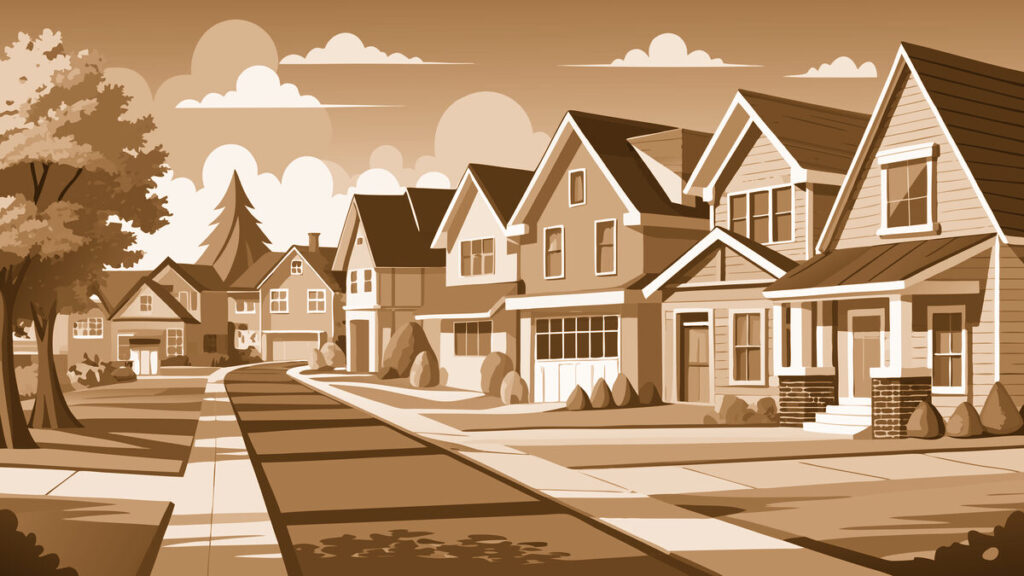
Nestled in the heart of Cedar Hill, Texas, Cedarwood Place stands as a welcoming neighborhood with deep roots and a story worth telling. With leafy streets running parallel to Cedar Hill’s main arteries and a strong sense of community, Cedarwood Place has become a beloved spot for families, newcomers, and longtime residents alike. Its unique blend of suburban charm and historical significance makes it more than just a place to live—it’s truly a neighborhood with a soul.
Origins of Cedarwood Place
The origins of Cedarwood Place date back to the late 1970s, when the city of Cedar Hill was experiencing a wave of new housing developments to keep pace with the expanding Dallas-Fort Worth metroplex. At that time, what is now Cedarwood Place was a patchwork of cedar groves and open grassland on the east side of Cedar Hill, just off North Joe Wilson Road and Cedarwood Drive.
Developers were inspired by the natural beauty of the area—especially the stately cedar trees that dotted the landscape. These trees not only lent their name to the neighborhood, but also played a significant role in drawing families seeking a tranquil, green environment. Cedarwood Place quickly emerged as one of Cedar Hill’s earliest planned neighborhoods, featuring both single-story ranch-style houses and traditional brick homes.
A Name Rooted In Nature
The enchantment of the region’s woodlands is immortalized in the neighborhood’s name. “Cedarwood” pays homage to the dense stretches of Eastern Red Cedar trees that once dominated the area’s rolling hills. Even as construction advanced, developers worked to preserve as many mature trees as possible, and today, residents continue to enjoy shaded walks along streets like Cedarwood Drive, Timber Lane, and Woodcrest Court.
This connection to the land and respect for natural features set Cedarwood Place apart early on. Year after year, the community has maintained green spaces where neighborhood kids play basketball and local gardeners plant wildflowers, keeping the cedar woods legacy alive.
Key Historical Milestones
Cedarwood Place’s history is interwoven with milestone events that shaped Cedar Hill as a whole. Some of the most notable include:
- 1979 – Inaugural Groundbreaking: The first homes were constructed just south of what is now Kia Dr. and east of North Joe Wilson Road, establishing a new suburban enclave.
- 1985 – Cedarwood Community Park Opens: The creation of Cedarwood Community Park, a pocket park off Timber Lane, gave families a gathering place. To this day, the park’s picnic tables and playground equipment remain a hub of laughter and connection.
- 1990s – Growth and Modernization: As Cedar Hill boomed, Cedarwood Place expanded, with new streets like Oak Manor Lane and Maple Terrace, and small remodeling projects becoming common as homes adapted to changing tastes.
- 2000 – School Connections: The opening of Waterford Oaks Elementary School nearby on Straus Road gave neighborhood children a safe and easy route to quality education, strengthening community bonds and school pride.
Through the decades, Cedarwood Place kept the tight-knit atmosphere that original homeowners cherished, even as the wider city around it grew.
Notable Landmarks and Features
While Cedarwood Place is primarily residential, it boasts several notable landmarks that give it character:
- Cedarwood Community Park: A true centerpiece, this park isn’t vast, but it means a lot to families. It’s not uncommon to see community barbecues or holiday gatherings beneath its old cedar trees.
- The Historic “Cedar Row”: Running along Cedarwood Drive, a picturesque row of preserved mature cedar trees serves as a living testimony to the neighborhood’s namesake.
- The Original Entry Monument: At the southwest corner of Cedarwood Drive and Joe Wilson Road, a modest stone sign marks the formal entrance to Cedarwood Place, built in 1980 and lovingly maintained ever since.
Nearby, larger Cedar Hill landmarks like the Cedar Hill State Park and Joe Pool Lake have always drawn visitors just outside the neighborhood, reinforcing Cedarwood Place’s role as a residential retreat close to natural beauty.
Evolving with the Times
Over the decades, Cedarwood Place has evolved while keeping its core values intact. Home designs have changed, with some original houses receiving carefully planned additions, and community associations have become more active—organizing annual events like spring garden days and neighborhood yard sales.
New generations have brought fresh energy, investing in the area and creating lifelong friendships. Many older residents love to share stories of when the streets were gravel, and watch as new families continue traditional neighborhood holiday parades.
The spirit of stewardship—of the land and of each other—remains Cedarwood Place’s most distinctive feature. Neighbors still look out for each other, whether it's sharing garden produce, lending a hand with yard care, or organizing support for someone facing tough times.
Why Cedarwood Place Remains Special
Ask any longtime resident what makes Cedarwood Place special, and they’ll likely mention:
- Lush Green Streets: Thanks to decades of tree preservation, every walk or bike ride is shaded.
- Strong Community Bonds: Residents genuinely care for one another, fostering a true sense of belonging.
- Timeless Serenity: The neighborhood blends the convenience of Cedar Hill living with a peaceful, back-to-nature feel you’d be hard pressed to find elsewhere.
Conclusion
Cedarwood Place is more than a collection of homes. It’s a tapestry woven from decades of shared history, anchored in the beauty of its name and the warmth of its people. For those who live here or those just passing through, the neighborhood’s enduring story is visible in its quiet streets, welcoming park, and thriving cedar trees—a living legacy in the heart of Cedar Hill.